
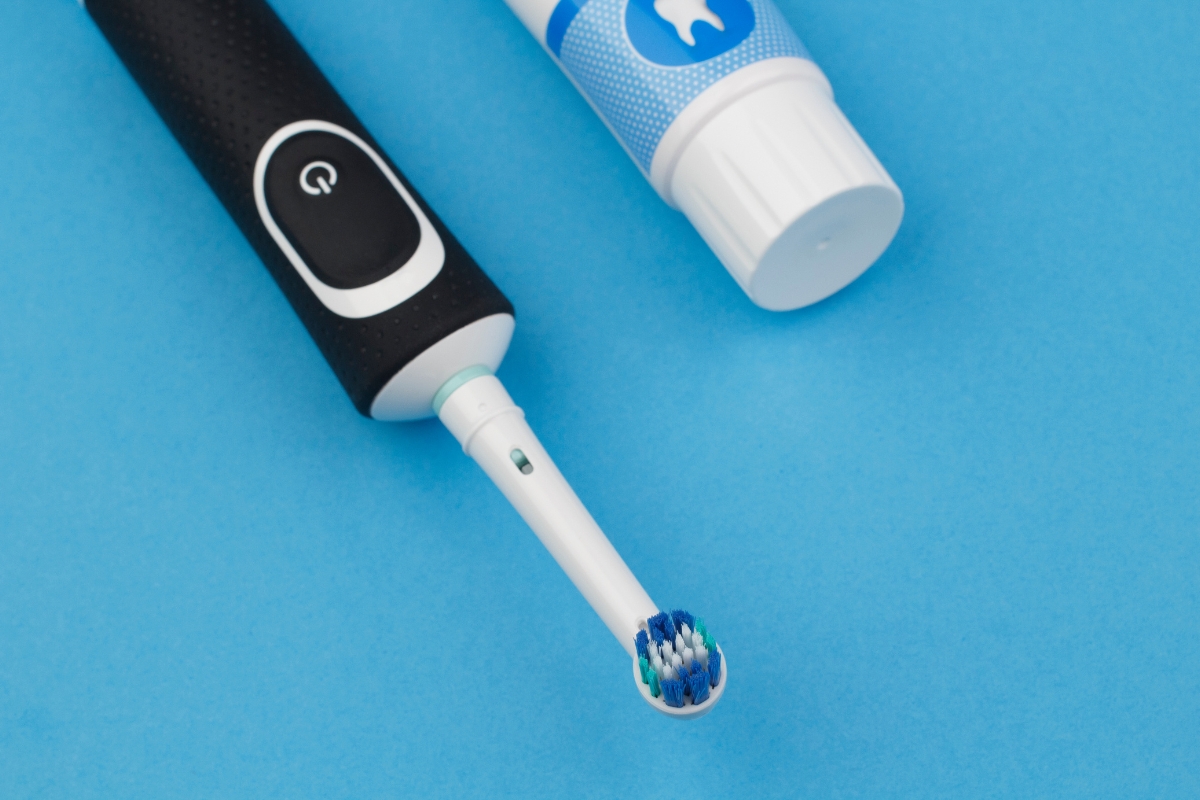
Are Electric Toothbrushes Better for Preventing Tartar?
Maintaining good oral hygiene is crucial for overall health, and one of the most common debates in dental care is whether electric toothbrushes are more effective than manual ones. This article explores whether electric toothbrushes are better for preventing tartar, an issue that many people face regardless of their dental routine.
Understanding Tartar
What is Tartar?
Tartar, also known as dental calculus, is a hardened form of plaque that adheres to the teeth. It forms when plaque is not removed regularly, leading to mineral buildup that can only be removed by a professional dentist near me.
How Does Tartar Form?
When plaque, a sticky film of bacteria, is not brushed away, it can harden under the gumline into tartar. Tartar can lead to gum disease and cavities if not managed properly, making its prevention crucial.
Manual Toothbrushes
Benefits of Manual Toothbrushes
Manual toothbrushes have been used for centuries and are effective when used correctly. They are inexpensive, easy to use, and widely available, making them a popular choice for many.
Limitations of Manual Toothbrushes
However, manual toothbrushes require proper technique and consistency to be effective. Many people do not brush for the recommended two minutes or fail to reach all areas of their mouth, leading to plaque buildup and eventually tartar.
Electric Toothbrushes
Benefits of Electric Toothbrushes
Electric toothbrushes have gained popularity due to their advanced technology. They offer various modes, timers, and pressure sensors, making them highly effective at removing plaque. Their oscillating and vibrating bristles can clean teeth more thoroughly than manual brushing.
Types of Electric Toothbrushes
There are several types of electric toothbrushes, including oscillating-rotating, sonic, and ultrasonic. Each type offers unique benefits, but all aim to improve oral hygiene more efficiently than manual brushes.
Effectiveness in Preventing Tartar
Studies Comparing Electric and Manual Toothbrushes
Numerous studies have shown that electric toothbrushes are more effective at reducing plaque and tartar. A study published in the Journal of Clinical Periodontology found that electric toothbrushes removed 21% more plaque and 11% more gingivitis than manual brushes over a three-month period.
How Electric Toothbrushes Help Reduce Tartar Buildup
The high-speed movements of electric toothbrushes can reach areas that manual brushing might miss, ensuring a more thorough clean. This helps in reducing plaque buildup, which is the precursor to tartar.
User Experience
Ease of Use
Electric toothbrushes are designed to be user-friendly. Features like built-in timers and pressure sensors guide users to brush effectively, making it easier to maintain good oral hygiene habits.
Impact on Brushing Habits
Many users find that electric toothbrushes make brushing more enjoyable and less of a chore. This can lead to more consistent and effective brushing routines, ultimately reducing tartar buildup.
Accessibility and Cost
Cost Comparison
While electric toothbrushes are generally more expensive than manual ones, the investment can be worth it considering their effectiveness in maintaining oral health. Additionally, many models are available at various price points to suit different budgets.
Availability of Electric vs. Manual Toothbrushes
Both types of toothbrushes are widely available, but electric toothbrushes are becoming increasingly popular and accessible, with numerous brands and models to choose from.
Impact on Gum Health
Electric Toothbrushes and Gum Health
Electric toothbrushes can be gentler on gums, thanks to pressure sensors that prevent over-brushing. This helps in maintaining healthy gums while effectively removing plaque and tartar.
Manual Toothbrushes and Gum Health
Manual toothbrushes can also be gentle on gums if used correctly, but there’s a higher risk of applying too much pressure, which can lead to gum recession and irritation.
Choosing the Right Toothbrush
Factors to Consider
When choosing between an electric and manual toothbrush, consider factors like cost, ease of use, and personal preference. It’s important to select a toothbrush that you are comfortable using consistently.
Personal Preferences
Some people may prefer the simplicity of a manual toothbrush, while others might appreciate the advanced features of an electric one. Ultimately, the best toothbrush is the one that meets your needs and encourages regular use.
Dentist Recommendations
What Do Dentists Say?
Many dentists recommend electric toothbrushes for their superior ability to remove plaque and reduce tartar buildup. However, they emphasize that proper brushing technique and consistency are key, regardless of the type of toothbrush used.
Importance of Regular Dental Visits
Regular visits to a local dentist are essential for professional tartar removal and overall oral health. Dentists can provide personalized advice on the best oral hygiene practices and tools for your needs.
Additional Oral Hygiene Tips
Flossing
Flossing is crucial for removing plaque between teeth and preventing tartar. Even with an electric toothbrush, daily flossing is necessary for comprehensive oral care.
Mouthwash
Using mouthwash can help reduce bacteria and freshen breath, complementing the effects of brushing and flossing.
Regular Dental Check-Ups
Regular dental check-ups with an emergency dentist or local dentist are vital for maintaining oral health. They can detect and address issues before they become serious problems.
Technology and Innovations
New Features in Electric Toothbrushes
Modern electric toothbrushes come with various features like Bluetooth connectivity, app integration, and advanced brush heads designed for specific dental needs.
Future Trends
The future of electric toothbrushes looks promising, with ongoing innovations aimed at enhancing user experience and oral health outcomes.
Common Myths
Debunking Myths About Electric Toothbrushes
There are many myths about electric toothbrushes, such as they are too harsh on teeth or only necessary for people with dental issues. In reality, they are suitable for anyone looking to improve their oral hygiene.
Misconceptions About Tartar Prevention
Some believe that brushing alone can prevent tartar. While effective brushing is crucial, professional cleanings and comprehensive oral hygiene practices are also necessary.
Conclusion
In conclusion, electric toothbrushes offer several advantages over manual ones, especially in preventing tartar buildup. Their advanced technology, ease of use, and effectiveness make them a valuable tool in maintaining oral health. However, the best toothbrush is one that you use consistently and correctly. Regular dental visits and a comprehensive oral hygiene routine are essential for preventing tartar and ensuring a healthy smile.