
Unveiling Wisdom Teeth Woes: Common Problems and Solutions
Welcome to our blog post on wisdom teeth! If you are in your late teens or early twenties, chances are you have heard of these infamous molars. Wisdom teeth, also known as third molars, can cause a lot of discomfort and dental problems if they don’t emerge correctly. In this article, we will delve into the common problems associated with wisdom teeth and provide solutions that will help alleviate pain and discomfort. So sit back, relax and let’s get started!
What are Wisdom Teeth?
Wisdom teeth are the third molars that usually emerge between the ages of 17 and 25. They get their name from the fact that they erupt at a time when an individual is considered to have gained some wisdom, typically referred to as “the age of wisdom.”
The average person has four wisdom teeth – two on top and two on bottom. However, not everyone develops all four teeth; some people may only develop one or two while others may not have any at all.
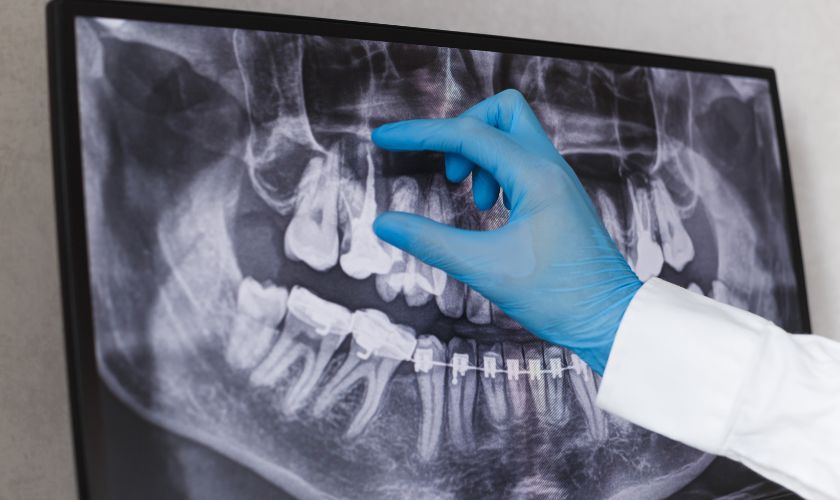
The eruption of wisdom teeth can cause discomfort due to overcrowding in the mouth. When there is insufficient space for these molars, they can become impacted (stuck beneath gum tissue) or grow at an angle leading to dental problems such as infection, decay, and damage to adjacent healthy teeth.
It’s essential to schedule regular dental checkups so your dentist can monitor your oral health and determine whether you need treatment for your emerging wisdom teeth.
Wisdom Teeth: Common Problems and Solutions
Wisdom teeth, also known as third molars, usually emerge in the late teenage years or early twenties. They are positioned at the back of your mouth and can cause problems if there is not enough space for them to grow properly. Here are some common problems associated with wisdom teeth:
Impacted Wisdom Teeth: When there isn’t enough room for a wisdom tooth to come out of the gum completely, it becomes impacted. This can lead to swelling, pain, and infection.
Crowding: If your mouth is too small to accommodate all four wisdom teeth plus your other teeth, it may cause overcrowding leading to misalignment issues.
Infections: Because they are located at the back of the mouth where cleaning might be difficult sometimes bacteria flourish around them causing infections that lead to severe pain that often requires extraction.
Cavities: Wisdom teeth have deep grooves on their surfaces that can trap food particles easily making them vulnerable to cavities
There are several solutions available when faced with these issues. A dentist may suggest removing one or more problematic wisdom teeth altogether or simply monitoring any potential problem areas regularly through frequent oral checkups. In cases where an infection has occurred, antibiotics may be prescribed while brushing twice daily and regular flossing will help prevent future problems from arising.
Keeping up with good dental health practices by scheduling routine appointments with a trusted dental professional can effectively address many issues related to wisdom teeth before they become serious concerns.
Conclusion
Wisdom teeth can cause a range of problems for many people. But the good news is that there are solutions available. If you experience any discomfort or pain related to your wisdom teeth, it’s important to consult with your dentist as soon as possible. Regular dental check-ups and cleanings can help detect any issues early on before they become more serious problems. Your dentist may recommend extracting your wisdom teeth if they’re causing persistent pain or other issues.
Remember, taking care of your oral health is crucial for maintaining overall health and well-being. So make sure to take care of those pearly whites – including those pesky wisdom teeth!