
All About Dental Implants: Your Complete Guide to a Lasting Smile
Are you tired of hiding your smile because of a missing tooth? Do you want to regain your confidence and improve the quality of your life? Dental implants might just be what you need! They are one of the most popular and effective solutions for replacing missing teeth nowadays, providing a lasting solution that looks and feels like natural teeth. In this comprehensive guide, we’ll take you through everything you need to know about dental implants – from what they are and how they work, to their benefits, types, aftercare tips and more. So sit back, relax, and let’s dive into the world of dental implants!
What are Dental Implants?
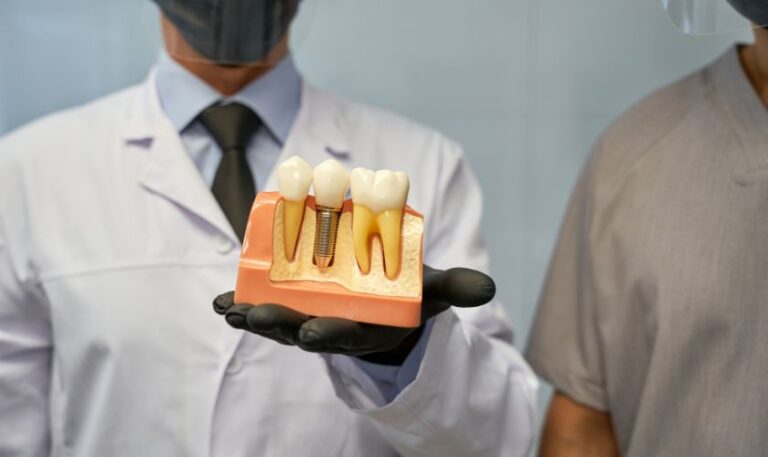
Dental implants are artificial teeth that are surgically placed into the jawbone to provide a permanent replacement for missing or damaged teeth. The implant itself is made of titanium, which fuses with the bone in your jaw through a process called osseointegration.
This unique feature allows dental implants to be more stable and durable than other tooth replacement options. Once the implant has fused with your jawbone, an abutment (a small connector piece) is attached to hold a prosthetic tooth or crown in place.
Dental implants can replace one tooth, several teeth, or even all of your teeth. They look and feel like natural teeth, making them a popular choice for those who want a lasting solution to missing teeth.
How are Dental Implants placed?
Dental implant placement is a surgical procedure that involves inserting a metal post, typically made of titanium, into the jawbone to serve as an artificial tooth root. The process starts with a thorough examination and assessment of the patient’s dental health.
Once the dentist determines that dental implants are suitable for the patient, they proceed by numbing the area where they will place the implant. They then create an incision in the gum tissue to expose the bone underneath.
Next, using specialized tools and drills, they prepare a small hole in which to insert the implant. After placing it securely into position, they close up the incision with stitches and leave it to heal for several weeks.
During this time, osseointegration takes place as bone cells grow around and fuse with the implant surface through a natural process called biocompatibility. Once fully integrated into surrounding tissues, abutments can be attached atop each post so that customized replacement teeth can be secured on them.
Dental implant placement is highly successful when performed properly by trained professionals under sterile conditions following precise protocols tailored for each individual case.
Types of Dental Implants
When it comes to dental implants, there are different types available. Your dentist will determine which type is best suited for you based on various factors like the location of missing teeth and jawbone density.
The most common type of dental implant is endosteal implants, which are placed directly into the jawbone. These implants usually come in cylindrical or screw-shaped designs and can support one or more prosthetic teeth.
Another type of dental implant is subperiosteal, which involves placing a metal frame onto the jawbone below your gums. The frame then fuses with your jaw over time, creating a strong foundation for artificial teeth.
Zygomatic Implants are used when patients have insufficient bone volume in their upper jaws. Instead of drilling into the maxilla bones (upper jaws), Zygomatic Implants anchor themselves onto cheekbones providing an alternative option without requiring additional surgeries such as grafting or sinus lift procedures.
No matter what type of dental implant you receive, it’s important to follow proper aftercare instructions to ensure they last for many years to come.
Advantages of Dental Implants
Dental implants are a popular choice for people who want to restore their missing teeth. Unlike dentures, dental implants provide a permanent and natural-looking solution that can last for many years. Here are some advantages of dental implants.
1. Dental implants look and feel like your natural teeth. They are designed to blend in with your remaining teeth so that they don’t stand out or draw attention to themselves. This makes them an ideal choice if you’re self-conscious about the appearance of your smile.
2. Dental implants function just like your natural teeth. Once they have been placed into position by an experienced dentist, you’ll be able to chew and speak with confidence again without worrying about discomfort or slippage.
3. Unlike other tooth replacement options such as bridges or dentures which may need replacing several times throughout life, dental implant surgery is usually only needed once per tooth depending on how well the patient takes care of their oral hygiene.
4. Having one or more missing teeth can cause bone loss in the jawbone over time which could eventually lead to sagging facial features. Dental Implants help prevent this from occurring by stimulating growth within the jawbone where it’s necessary most – around areas where there has been tooth loss.
In summary, getting dental implants offers numerous benefits including improved aesthetics and functionality while also preventing bone loss in the long run!
Dental implant Aftercare
After getting dental implants, it’s important to take proper care of them to ensure their longevity. The healing process after the procedure can vary from person to person, but there are some basic steps you can follow to promote healthy healing.
1. Avoid putting too much pressure on the implant area with your tongue or fingers. This can disrupt the blood clot and slow down the healing process. It’s also recommended that you avoid hot foods and drinks for at least 24 hours after surgery as they may cause discomfort or even damage to the implant site.
2. Oral hygiene is crucial during this time as well. Brushing twice a day with a soft-bristled toothbrush and using an antimicrobial mouthwash will help keep bacteria at bay and prevent infection. Flossing around the implant area should be done gently but thoroughly.
3. Smoking should be avoided during this time as it hinders oral health in general and slows down healing specifically related to dental implants.
Following these guidelines will help protect your investment in dental implants so that you have a lasting smile for years ahead.
Are Dental Implants Right for Me?
Deciding whether dental implants are right for you can be a difficult decision. While they offer many benefits, not everyone is a suitable candidate for the procedure.
Firstly, it’s important to have healthy gums and sufficient jawbone density to support the implant. If these requirements aren’t met, additional treatments may be needed before proceeding with the implant.
Additionally, individuals who smoke or have certain medical conditions such as diabetes may not be good candidates due to the increased risk of complications during healing.
It’s also important to consider your overall oral health and hygiene habits. Good oral hygiene practices are crucial for maintaining the longevity of dental implants.
Ultimately, consulting with an experienced dentist is the best way to determine if dental implants are right for your individual needs and circumstances.
Conclusion
Dental implants are a safe and effective solution to missing or damaged teeth. They offer numerous benefits such as longevity, improved speech and eating ability, and enhanced self-confidence. With advancements in technology, dental implant procedures have become more accessible and affordable.
It is important to consult with a qualified dentist to determine if dental implants are the right option for you based on your individual needs and oral health condition. By following proper aftercare instructions, you can ensure the long-term success of your dental implants.
Investing in dental implants is an investment in yourself and your overall well-being. Say goodbye to missing or damaged teeth and hello to a lasting smile with the help of dental implants!