How Dental Crowns Work: Restoring Damaged and Decayed Teeth
A beautiful smile can instantly light up a room, but what happens when you have damaged or decayed teeth? Dental crowns are the perfect solution to restore your pearly whites and give you that confident grin back. Whether it’s due to tooth decay, chipping or cracking, dental crowns work wonders in repairing and protecting your teeth. In this blog post, we’ll dive into the world of dental crowns – from understanding what they are to how they work and everything in between. So sit tight and get ready to discover how dental crowns can transform your smile!
What Is A Dental Crown
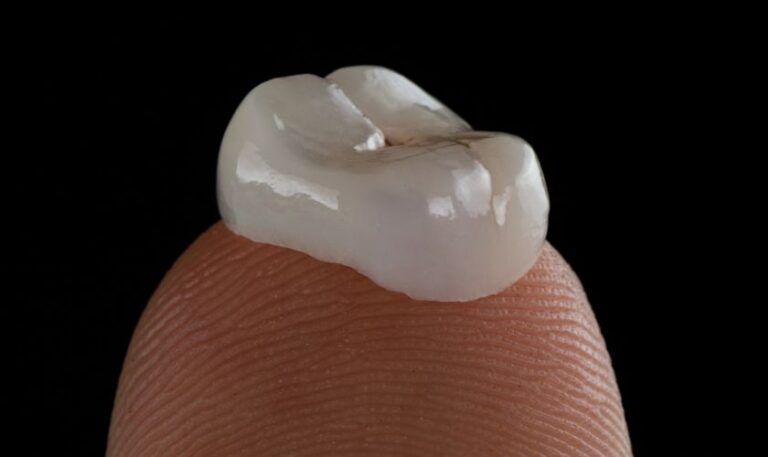
A dental crown is a tooth-shaped cap that covers the damaged, decayed, or misshapen teeth. It is designed to restore the function and appearance of your natural tooth structure. Dental crowns can be made from various materials such as porcelain, ceramic, metal alloys, or resin.
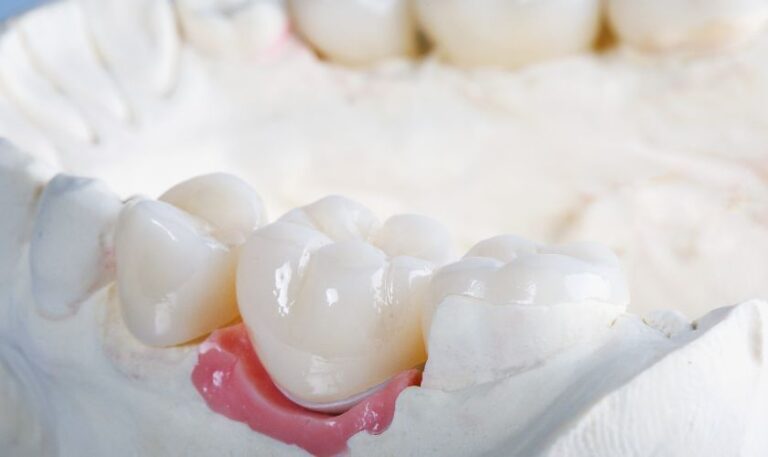
Dental crowns are custom-made in a dental laboratory to fit over your existing tooth structure perfectly. The dentist will take impressions of your teeth to ensure that the crown fits snugly without causing discomfort or affecting your bite.
Crowns act as protectors for weak teeth and cover up any cracks or chips which may cause further damage if left untreated. They are also useful after root canal therapy where most of the original tooth has been removed.
In addition to providing protection for weakened teeth, dental crowns can also improve their appearance by covering up unsightly stains or discoloration. This means you can have a complete smile makeover with just one simple procedure!
Dental crowns offer an excellent solution for restoring damaged and decayed teeth while preserving their natural function and aesthetics. With proper care and maintenance, they can last for many years and provide you with a beautiful smile that lasts forever!
Types Of Dental Crowns
There are several types of dental crowns, each with its own unique set of benefits and drawbacks.
- Ceramic crowns: These crowns are made from porcelain or ceramic material, and are designed to closely mimic the appearance of natural teeth. They are often used for front teeth or other visible areas of the mouth.
- Porcelain-fused-to-metal (PFM) crowns: These crowns have a metal base covered with porcelain, providing both strength and an aesthetic appearance. They are often used for back teeth where more biting force is required.
- Gold alloy crowns: These crowns are made from a mixture of gold, copper, and other metals. They are very durable and long-lasting, but are not typically used for visible teeth due to their appearance.
- Base metal alloy crowns: These crowns are made from non-noble metals, such as nickel, chromium, and titanium. They are strong, corrosion-resistant, and biocompatible, making them a good choice for people with metal allergies.
- Zirconia crowns: These crowns are made from zirconium oxide, a strong and durable material that can be colored to closely match the surrounding teeth. They are often used for back teeth due to their strength and longevity.
- E-max crowns: These crowns are made from a type of ceramic that is both strong and aesthetically pleasing. They are often used for front teeth and other visible areas of the mouth.
Your dentist can help you choose the best type of crown for your specific needs and budget.
How Dental Crowns Work
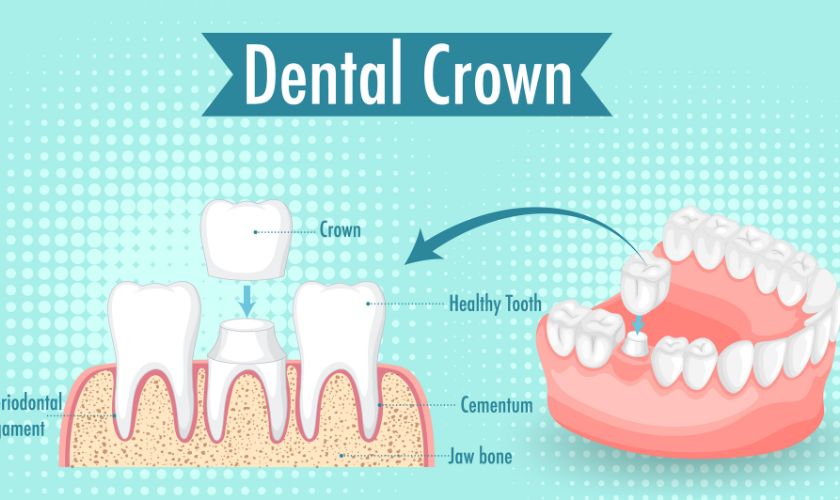
Dental crowns are a common dental procedure that can help restore damaged or decayed teeth. A crown is essentially a cap that fits over the top of a tooth, covering and protecting it while also providing additional strength and support.
The process of getting a dental crown typically involves multiple appointments with your dentist. During the first appointment, your dentist will prepare the affected tooth by removing any decay or damage and shaping it to fit the crown properly. They will then take impressions of your teeth to create a custom-made crown that matches your natural teeth in size, shape, and color.
Once the final crown has been created, you’ll return to your dentist’s office for placement. Your dentist will use a special cement to attach the crown securely onto your prepared tooth, ensuring that it fits comfortably and functions properly.
Dental crowns can be made from various materials such as porcelain, metal alloys or ceramic materials depending on their location in the mouth and individual preferences. With proper care like regular brushing and flossing along with routine dental checkups every six months ensures longevity for many years!
What To Expect During Dental Crown Placement Procedure
During the dental crown placement procedure, there are a few steps that patients can expect. Before the actual placement, your dentist will likely take x-rays of the tooth to ensure it is structurally sound enough for a crown.
The first step in the procedure involves numbing the area around the affected tooth with local anesthesia. Once you are comfortable and numb, your dentist will then file down any remaining damaged or decayed parts of the tooth to prepare it for the crown.
After this preparation is complete, an impression or mold of your teeth will be made using putty-like material. This impression will be sent to a dental lab where your custom-made crown will be created.
In some cases, temporary crowns may be placed while waiting for the permanent ones to arrive from the lab. Once ready, your new crown will be cemented onto your natural tooth using special bonding agents to ensure a strong and long-lasting hold.
While getting a dental crown can seem daunting at first, knowing what to expect during each step of the process can help ease any anxiety or concerns you may have about undergoing this common restorative dentistry treatment.
How To Take Care Of Your Dental Crown
After getting a dental crown, it is important to take proper care of it to ensure its longevity and effectiveness. Here are some tips on how to maintain your dental crown:
1. Brush regularly: Just like with natural teeth, brushing twice a day is essential for maintaining good oral hygiene and keeping your crown clean.
2. Floss daily: Flossing helps remove any food particles or plaque that may be trapped between the crown and the adjacent tooth.
3. Avoid hard foods: Dental crowns are durable but not indestructible. Eating hard foods can cause damage or dislodge the crown, so try to avoid them as much as possible.
4. Wear a mouthguard: If you play sports or grind your teeth at night, wearing a mouthguard can help protect your dental crown from damage.
5. Schedule regular check-ups: Regular visits to the dentist will allow them to monitor the condition of your dental crown and detect any issues early on before they become bigger problems.
By following these simple steps, you can keep your dental crown in great shape for years to come!
Conclusion
Dental crowns are an effective solution for restoring damaged and decayed teeth. With the various types of materials available, patients can choose what suits their needs best. Dental crown placement is a relatively simple procedure that can be completed in just a few appointments with your dentist. It is important to note that proper care should be taken after getting a dental crown to ensure its longevity.
Don’t let damaged or decayed teeth hold you back from smiling confidently – consider discussing dental crown options with your dentist today!