
Types of Dental Crowns: Choosing the Right Fit for You
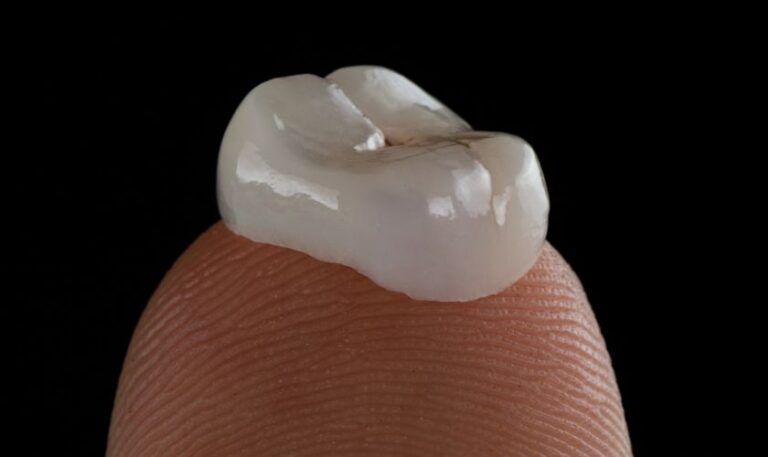
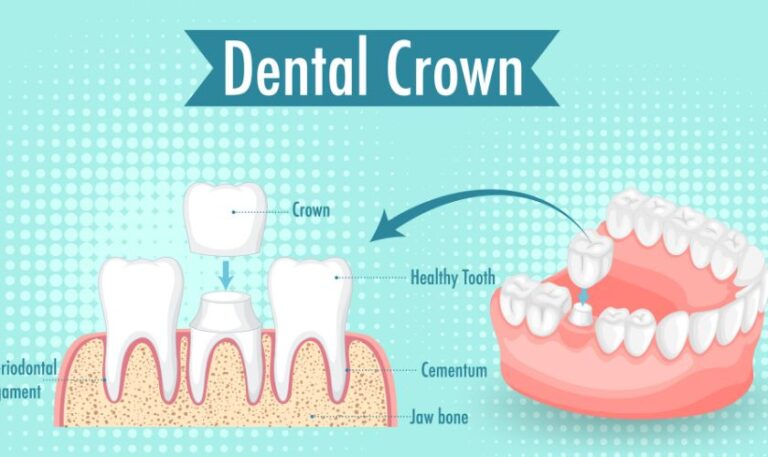
Dental crowns serve as versatile solutions for restoring and enhancing damaged or compromised teeth. With advancements in dental technology, various types of dental crowns are available, each offering unique benefits. This guide aims to explore the different types of dental crowns, helping you make an informed decision about the right fit for your oral health needs.
1. Porcelain Crowns:
Known for their natural appearance, porcelain crowns closely mimic the color and translucency of natural teeth.
Ideal for front teeth or those visible when smiling due to their aesthetic appeal.
2. Ceramic Crowns:
Similar to porcelain crowns, ceramic crowns offer excellent aesthetics and are free from metal.
Perfect for individuals with metal allergies or those seeking a natural-looking smile.
3. Metal Crowns:
Commonly made from alloys like gold or silver, metal crowns are durable and require minimal tooth removal.
Ideal for molars and back teeth due to their strength and longevity.
4. Porcelain-Fused-to-Metal (PFM) Crowns:
Combining the strength of metal with the aesthetic appeal of porcelain, PFM crowns offer a balanced solution.
Suitable for both front and back teeth, providing durability and a natural appearance.
5. Zirconia Crowns:
Zirconia crowns are known for their strength and durability, making them suitable for various applications.
A popular choice for both front and back teeth due to their aesthetic and robust qualities.
6. Resin Crowns:
Made from dental resin, these crowns are an affordable option with satisfactory aesthetics.
Recommended for temporary solutions or when budget constraints are a primary concern.
7. All-Ceramic Crowns:
All-ceramic crowns are prized for their excellent aesthetics, durability, and natural tooth-like translucency.
Preferred for restoring front teeth where esthetics are a top priority.
8. Temporary Crowns:
Crafted from materials like acrylic or stainless steel, temporary crowns are used during the waiting period for a permanent crown.
Provide protection and functionality while the permanent crown is being fabricated.
Choosing the Right Fit:
Selecting the most suitable type of dental crown depends on various factors, including the location of the tooth, functional requirements, aesthetic considerations, and personal preferences. Consulting with your dentist is essential for a thorough examination and discussion about which crown type aligns with your unique needs.
Conclusion:
Dental crowns play a pivotal role in restoring and preserving your oral health. Understanding the different types of crowns allows you to make an informed decision that balances aesthetics, durability, and functionality. Your dentist will guide you through the selection process, ensuring the chosen crown meets your specific requirements, contributing to a healthier and more radiant smile.