Saving Their Smile: A Guide to Cavity Treatment for Two-Year-Olds
As a parent, your child’s health and well-being are top priorities, and dental health is no exception. Early dental care is crucial for setting the foundation of good oral hygiene habits and preventing future issues. When it comes to cavity treatment for two-year-olds, knowledge and proactive measures are key. Stays healthy with effective cavity treatment strategies.
Let’s explore how you can ensure your toddler’s bright smile
Importance of General Dentistry for Toddlers:
General dentistry plays a vital role in maintaining your child’s oral health. Regular dental checkups are recommended, starting as early as the eruption of the first tooth or by the age of one. These visits allow the dentist to monitor the development of your child’s teeth, identify any potential issues early on, and provide guidance on proper oral care techniques.
Understanding Cavity Treatment for Two-Year-Olds:
Cavities, also known as dental caries, can develop in toddlers due to various factors such as poor oral hygiene, sugary diets, and bacteria in the mouth. While prevention is ideal, sometimes cavities still occur despite your best efforts. When it comes to cavity treatment for two-year-olds, the approach may differ from older children or adults due to the unique considerations of their developing teeth.
Effective Cavity Treatment Strategies:
- Fluoride Treatment: Fluoride helps strengthen enamel and can be applied by the dentist as a preventive measure or to halt the progression of early-stage cavities.
- Dental Fillings: If a cavity has progressed beyond the initial stages, dental fillings may be necessary to restore the tooth. Tooth-colored fillings are often preferred for young children for aesthetic reasons.
- Pulpotomy: In cases where the cavity has reached the inner pulp of the tooth, a pulpotomy may be performed to remove the infected tissue and preserve the remaining healthy tooth structure.
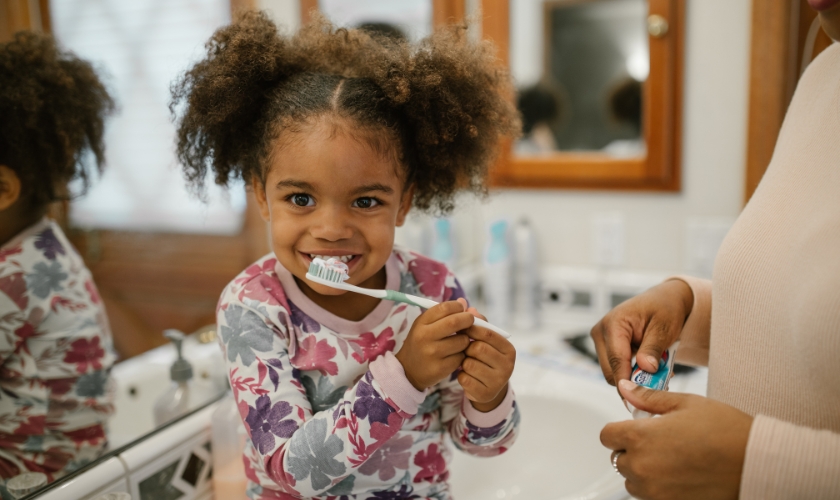
- Preventive Measures: Alongside cavity treatment, it’s essential to implement preventive measures at home, such as regular brushing with fluoride toothpaste, limiting sugary snacks and beverages, and encouraging healthy eating habits.
The Role of Dental Checkups:
Regular dental checkups are essential for monitoring your child’s oral health and addressing any concerns promptly. These visits allow the dentist to assess the effectiveness of cavity treatment, provide additional preventive care as needed, and educate both parents and children on maintaining optimal oral hygiene.
Visiting the Dental Office:
Creating a positive experience at the dental office is crucial for fostering a lifetime of good dental habits. Choose a pediatric dentist experienced in treating young children and creating a comfortable environment. Encourage your child to view dental visits as a positive experience by praising their cooperation and rewarding them afterward.
In conclusion, cavity treatment for two-year-olds requires a proactive approach that includes regular dental checkups, effective cavity treatment strategies, and preventive measures at home. By prioritizing your child’s oral health from an early age, you can help them maintain a healthy and happy smile for years to come.