Understanding Sinus Pressure vs. Toothache
Sinus pressure and toothache can present with similar symptoms, making it challenging to determine the underlying cause of your discomfort. Understanding the key differences between these conditions is essential for obtaining appropriate treatment and relief.
The Anatomy of Sinus Pressure and Toothaches
Sinus Pressure Explained
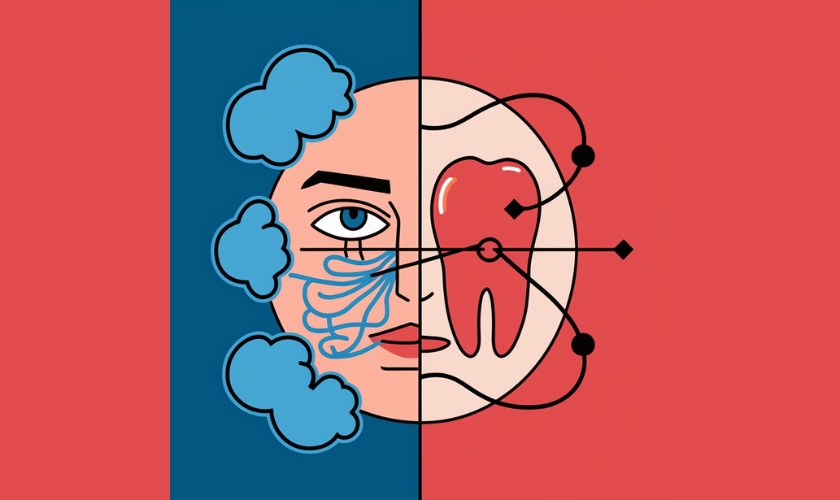
Sinus pressure arises when the sinus cavities, located around your nose, eyes, and cheeks, become inflamed or infected. This inflammation leads to a buildup of mucus, causing pressure and pain. Common causes include sinus infections (sinusitis), colds, and allergies.
Toothache Fundamentals
Toothaches typically result from dental issues such as cavities, gum disease, abscesses, or cracked teeth. The pain stems from the nerves within the tooth’s pulp chamber becoming irritated or infected. Dental trauma and enamel erosion can also lead to tooth pain.
Symptoms: Sinus Pressure vs. Toothache
Recognizing Sinus Pressure Symptoms
- Facial Pain: Pain concentrated around the nose, eyes, and forehead.
- Nasal Congestion: Difficulty breathing through the nose due to mucus buildup.
- Headache: Pressure-induced headaches, often worse in the morning.
- Postnasal Drip: Mucus drainage down the back of the throat.
- Ear Pressure: Sensation of fullness or popping in the ears.
Identifying Toothache Symptoms
- Localized Pain: Sharp or throbbing pain in a specific tooth.
- Swelling: Swelling around the affected tooth or gums.
- Sensitivity: Pain triggered by hot, cold, or sweet stimuli.
- Bad Breath: Foul odor or taste due to infection.
- Fever: In some cases, a tooth infection can cause a fever.
Key Differences Between Sinus Pressure and Toothache
While both conditions can cause facial pain, several distinguishing features can help you identify the source of your discomfort:
| Feature | Sinus Pressure | Toothache |
|---|---|---|
| Pain Location | Around nose, eyes, cheeks | Localized to a specific tooth |
| Nasal Symptoms | Congestion, runny nose, postnasal drip | Usually absent |
| Pain Type | Pressure-like, dull | Sharp, throbbing |
| Trigger Factors | Changes in head position, barometric pressure | Hot, cold, sweet foods |
| Duration | Often fluctuates with sinus condition | Persistent until dental issue is resolved |
Diagnostic Approach
Medical Evaluation
- Clinical Examination: A healthcare provider will review your symptoms and perform a physical examination, focusing on your facial areas and dental structures.
- Imaging: X-rays or CT scans can help visualize sinus cavities and teeth to identify infections, blockages, or dental issues.
- Allergy Testing: Identifying allergens can help manage chronic sinusitis.
Dental Evaluation
- Dental Examination: A dentist will inspect your teeth and gums for signs of decay, abscesses, or other dental problems.
- Percussion Testing: Tapping on teeth to pinpoint the source of pain.
- X-rays: Dental radiographs reveal underlying issues such as cavities, abscesses, or bone loss.
Treatment Options
Managing Sinus Pressure
- Decongestants: Medications that reduce nasal congestion.
- Nasal Sprays: Saline or steroid sprays to decrease inflammation.
- Antibiotics: Prescribed for bacterial sinus infections.
- Allergy Management: Antihistamines and avoiding triggers.
- Home Remedies: Steam inhalation, warm compresses, and hydration.
Addressing Toothaches
- Pain Relievers: Over-the-counter analgesics like ibuprofen or acetaminophen.
- Dental Procedures: Fillings, root canals, or extractions depending on the underlying issue.
- Antibiotics: For dental infections causing significant pain or swelling.
- Preventive Care: Regular brushing, flossing, and dental check-ups to prevent future issues.
Preventive Measures
Preventing Sinus Pressure
- Stay Hydrated: Drink plenty of water to thin mucus.
- Maintain Good Hygiene: Regularly wash hands to prevent infections.
- Manage Allergies: Use prescribed medications and avoid known allergens.
- Use a Humidifier: Keep air moist to reduce nasal dryness and irritation.
Preventing Toothaches
- Oral Hygiene: Brush twice daily, floss, and use mouthwash.
- Regular Dental Visits: Schedule routine check-ups and cleanings.
- Healthy Diet: Limit sugary foods and drinks that can cause cavities.
- Protective Gear: Wear mouthguards during sports to prevent dental injuries.
Conclusion
Understanding the differences between sinus pressure and toothache is crucial for effective treatment and relief. While sinus pressure often involves facial pain and nasal symptoms, toothaches are usually localized to a specific tooth and associated with dental issues. Accurate diagnosis through medical and dental evaluations ensures appropriate treatment, whether it’s managing sinus inflammation or addressing dental problems.
By adopting preventive measures and seeking timely medical or dental care, you can alleviate discomfort and maintain your overall health. If you’re experiencing persistent or severe pain, consult a healthcare professional for dental services to determine the cause and receive proper treatment.